Complete guide · 2026
IVF Treatment Options: A Complete Guide to Your Fertility Treatment Choices
From IVF, ICSI and frozen embryo transfer to egg freezing, donor conception, surrogacy, genetic testing and family-building options for LGBTQ+ and single parents — understand every fertility treatment pathway in one place.
Understanding your fertility treatment choices
There's no single right pathway through fertility treatment — and there are far more options available today than many people realise. Whether you're just starting to explore, have already had treatment, or are looking at alternative ways to build a family, this guide walks you through every major IVF treatment option in plain language.
Use the menu above to jump straight to the option you're interested in, or read through to understand how everything fits together. Each section links to deeper guides, country-by-country costs and trusted fertility clinics on Babble Connect.
What you may want to understand next
Start with the treatment most relevant to you, then look at what it costs and how it's funded.
IUI (Intrauterine Insemination)
A less invasive treatment in which prepared sperm is placed directly into the uterus around the time of ovulation, sometimes alongside mild ovarian stimulation. IUI is often considered before IVF, and can use a partner's sperm or donor sperm.
Often considered by
IVF (In Vitro Fertilisation)
The most well-known fertility treatment. Eggs are collected, combined with sperm in the lab to allow fertilisation, and the resulting embryo is transferred to the uterus. Suitable for a wide range of fertility challenges including blocked fallopian tubes, unexplained infertility and mild male factor infertility.
Often considered by
ICSI (Intracytoplasmic Sperm Injection)
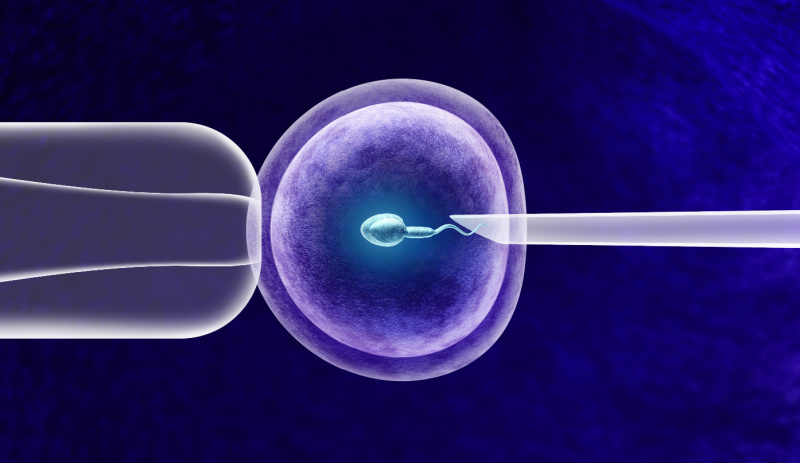
A form of IVF where a single sperm is injected directly into each egg. ICSI is most often used when there's male factor infertility — including low sperm count, low motility or high DNA fragmentation.
Often considered by
Frozen Embryo Transfer (FET)
Embryos created during an IVF cycle can be frozen and transferred in a later cycle. FET often gives the body time to recover after stimulation and can lead to good success rates with carefully timed preparation.
Often considered by
Egg Freezing
Eggs are collected and frozen for future use. Egg freezing can preserve fertility for medical reasons (e.g. before cancer treatment) or as an elective choice to keep family-building options open.
Often considered by
Embryo Freezing
Embryos created through IVF can be frozen for later use. Embryo freezing offers higher predictability than egg freezing because embryo quality is already known, but requires sperm at the time of freezing.
Often considered by
Donor Eggs
IVF using eggs from a donor. Donor egg IVF can help when egg quality is reduced — for example due to age, premature ovarian insufficiency or after cancer treatment.
Often considered by
Donor Sperm
IVF or IUI using donor sperm. Donor sperm can support single women, same-sex female couples, or couples affected by male factor infertility.
Often considered by
Double Donation
Using both donor eggs and donor sperm. This option can help when both partners face fertility challenges, or for single people building a family.
Often considered by
Embryo Donation
Receiving embryos donated by others who have completed their family. The embryos are transferred to your uterus or to a surrogate's. Often more affordable than double donation.
Often considered by
Surrogacy
A family-building pathway where a surrogate carries the pregnancy on behalf of the intended parents. Surrogacy can be gestational (most common) or traditional, and is often used together with IVF.
Often considered by
PGT-A / Genetic Testing
Preimplantation Genetic Testing (PGT-A) screens embryos for chromosomal abnormalities before transfer. It can be considered for older maternal age, recurrent miscarriage, repeated IVF failure or known genetic conditions.
Often considered by
Fertility Preservation
Preserving eggs, sperm or embryos for future use. Often used before medical treatment that may affect fertility (e.g. chemotherapy), gender-affirming care, or as an elective choice.
Often considered by
LGBTQ+ Family Building
LGBTQ+ family building includes donor sperm IVF, donor eggs, reciprocal IVF, surrogacy and co-parenting. Many clinics offer dedicated LGBTQ+ pathways and inclusive support.
Often considered by
Single Parent IVF
Single parent IVF uses donor sperm, donor eggs or both — depending on the intended parent's circumstances. Access, eligibility and law vary considerably by country.
Often considered by
Compare prices
IVF treatment costs by country
See how much each treatment option costs across the world's leading fertility destinations.
Check eligibility
Global IVF access: laws & eligibility by country
Find out which treatments are available where, by age, relationship status and sexuality.
From understanding treatment to choosing it
Frequently asked questions
Newsletter
Get more fertility resources in your inbox
Sign up for expert guides, new treatment information and trusted support — straight from the Babble Connect team.
By signing up you agree to receive emails from Babble Connect. Unsubscribe any time.
Treatment availability, eligibility, success rates and costs vary by clinic, country and individual circumstances. This page is for information only and does not constitute medical advice. Always discuss your options with a qualified fertility specialist.Last updated: June 2026
Your privacy choices
We use essential cookies to run Babble Connect. With your permission, we'd also like to set analytics and personalisation cookies to improve your experience. Non-essential cookies stay off until you choose "Accept all".