Understanding IVF: A Complete Guide
In vitro fertilization (IVF) is one of the most well-known and widely used assisted reproductive technologies available today. For many people struggling with infertility, IVF represents a path to parenthood that would otherwise be impossible.
What is IVF?
IVF is a process where eggs are retrieved from the ovaries and fertilized with sperm in a laboratory. The resulting embryos are then cultured for several days before one or more are transferred back into the uterus.
Who is IVF for?
IVF is recommended for people experiencing:
- Blocked or damaged fallopian tubes — one of the most common reasons
- Male factor infertility — low sperm count or motility
- Ovulation disorders — such as PCOS
- Endometriosis
- Unexplained infertility — when no specific cause is found
- Genetic disorders — where preimplantation genetic testing (PGT) is needed
The IVF Process Step by Step
1. Ovarian Stimulation The first step involves taking hormone injections to stimulate your ovaries to produce multiple eggs. This typically lasts 10–14 days, with regular monitoring through blood tests and ultrasound scans.
2. Egg Retrieval Once your follicles reach the right size, a trigger injection is given to mature the eggs. Approximately 36 hours later, eggs are retrieved under sedation via a fine needle guided by ultrasound.
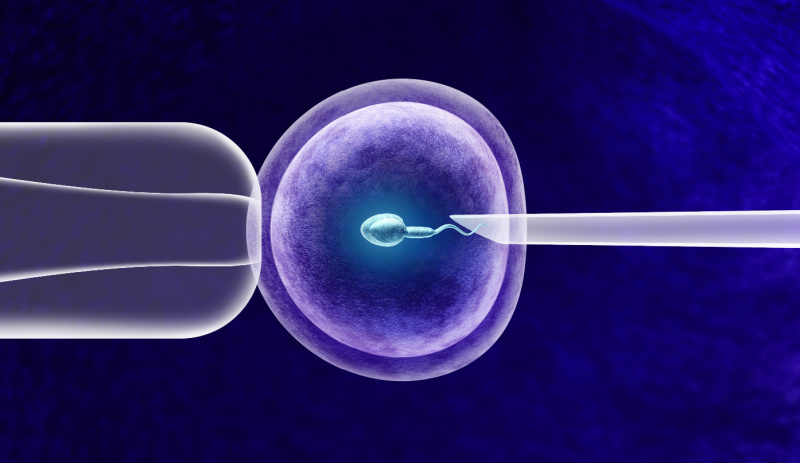
3. Fertilisation In the laboratory, eggs are combined with sperm (either through conventional insemination or ICSI — where a single sperm is injected directly into the egg). Fertilisation is confirmed the following day.
4. Embryo Development Embryos are monitored for 3–6 days. The best quality embryo(s) are selected for transfer or freezing.
5. Embryo Transfer A thin catheter is used to place the embryo into the uterus. This is usually a straightforward procedure that doesn't require anaesthesia.
6. The Two-Week Wait After the transfer, you'll wait approximately two weeks before taking a pregnancy test. This can be an emotionally challenging time — be kind to yourself.
Success Rates
IVF success rates vary based on age, cause of infertility, and clinic. In the UK, average live birth rates per red are approximately:
- Under 35: 32%
- 35–37: 25%
- 38–39: 19%
- 40–42: 11%
- Over 42: 4–5%
Emotional and Physical Wellbeing
IVF can be physically and emotionally demanding. Side effects from medications may include bloating, mood swings, and fatigue. It's important to:
- Seek emotional support from a counsellor or support group
- Communicate openly with your partner
- Take time off work if needed
- Connect with others on similar journeys
Getting Started
The first step is a consultation with a fertility specialist who can assess your individual situation and recommend the most appropriate treatment pathway.
At Babble Connect, we can help you find accredited clinics and experts who specialise in IVF and other assisted reproduction treatments.
We're here to help
Continue exploring on IVFbabble
You don't have to navigate this alone — here are gentle ways to get more guidance, support and answers.
Rate this article
See what others think and leave your own feedback.
Sign in to leave a rating.
Comments
0 comments
No comments yet.
More Articles
Your privacy choices
We use essential cookies to run Babble Connect. With your permission, we'd also like to set analytics and personalisation cookies to improve your experience. Non-essential cookies stay off until you choose "Accept all".