Free fertility tool
Fertility Nutrition Calculator: Your Fertility Nutrition Check
Eat well. Support your fertility. Feel more confident on your journey.
Whether you're trying to conceive naturally, preparing for IVF/ICSI or in treatment, explore your eating habits and get practical, realistic food guidance for egg health, pregnancy preparation or sperm health — in about 3 minutes.
- Free & private
- NHS & NICE informed
- Egg & sperm health
- 7-day meal plan
Please note: nutrition supports reproductive health but cannot guarantee conception, improve egg quality in every individual or overcome an underlying fertility condition. Your score is an educational dietary variety assessment, not a medically validated fertility score.
Your focus
Key nutrients explained
What each nutrient does — no single food or nutrient guarantees conception, better egg or sperm quality, or IVF success.
Folate / folic acid
Helps the baby's neural tube develop in early pregnancy. NHS: 400 micrograms folic acid daily before conception to 12 weeks.
Found in: Leafy greens, beans, fortified cereals
Iron
Needed to make red blood cells. Low iron is common, especially in plant-based diets.
Found in: Lentils, beans, lean red meat, fortified cereals
Zinc
Involved in cell growth and normal sperm production.
Found in: Pumpkin seeds, wholegrains, dairy, meat, shellfish
Selenium
An antioxidant mineral involved in sperm formation.
Found in: Brazil nuts (1–2 is enough), eggs, fish
Vitamin B12
Supports nerve function and red blood cells. Found mainly in animal foods.
Found in: Eggs, dairy, fish, fortified plant milks
Vitamin D
Supports bones and immunity. NHS: 10 micrograms daily, especially October–March.
Found in: Oily fish, eggs, fortified foods, supplement
Iodine
Needed for thyroid hormones and baby's brain development.
Found in: Dairy, fish, iodine-fortified plant milks
Choline
Supports baby's brain and spinal cord development.
Found in: Eggs, soya, beans, broccoli
Omega-3
Healthy fats that form part of cell membranes.
Found in: Salmon, sardines, walnuts, chia, flaxseed
Practical swaps
- Don't like oily fish?
- Try walnuts, ground flaxseed or chia — or an algae-based omega-3 (check with a pharmacist).
- Can't eat dairy?
- Choose calcium- and iodine-fortified plant milks and yoghurts.
- Gluten-free?
- Swap to oats labelled gluten-free, quinoa, buckwheat and brown rice.
- On a budget?
- Frozen veg and berries, tinned beans, lentils and sardines are nutritious and affordable.
Get cooking
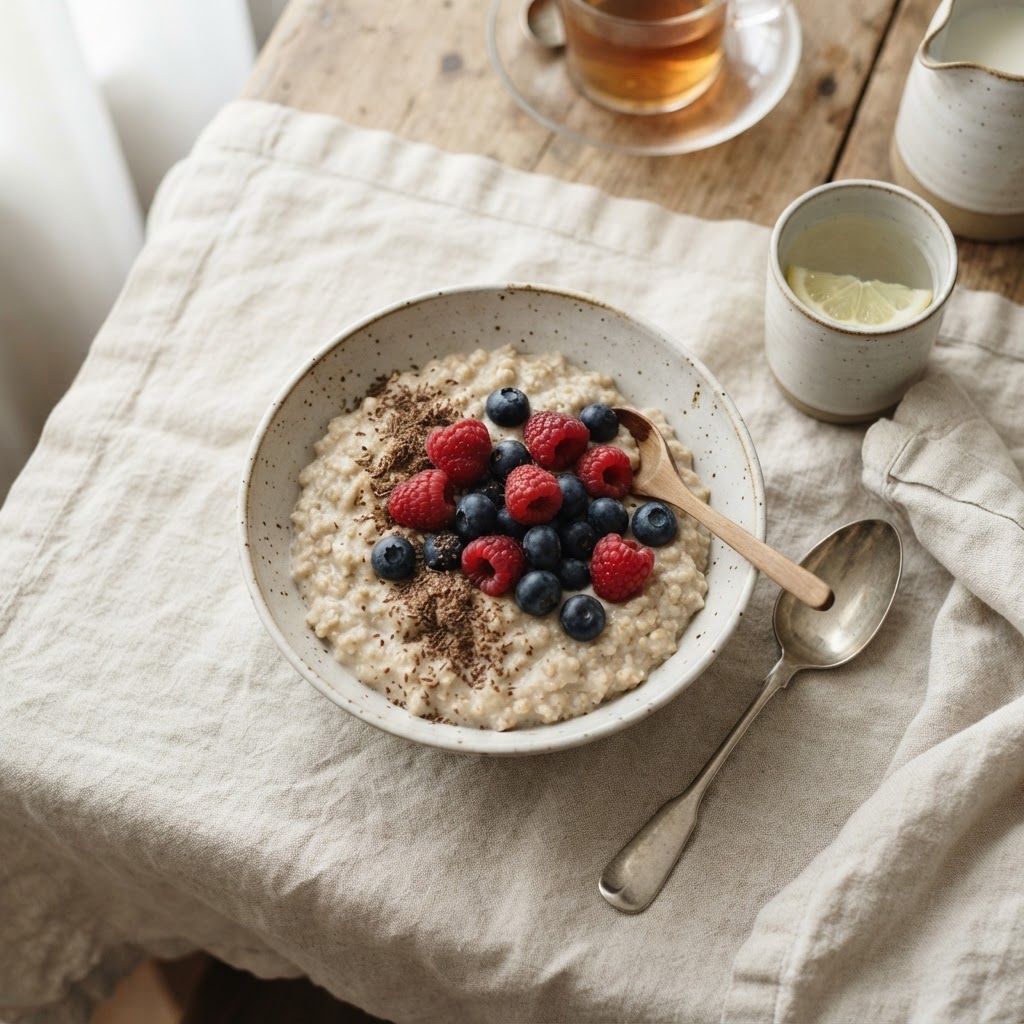
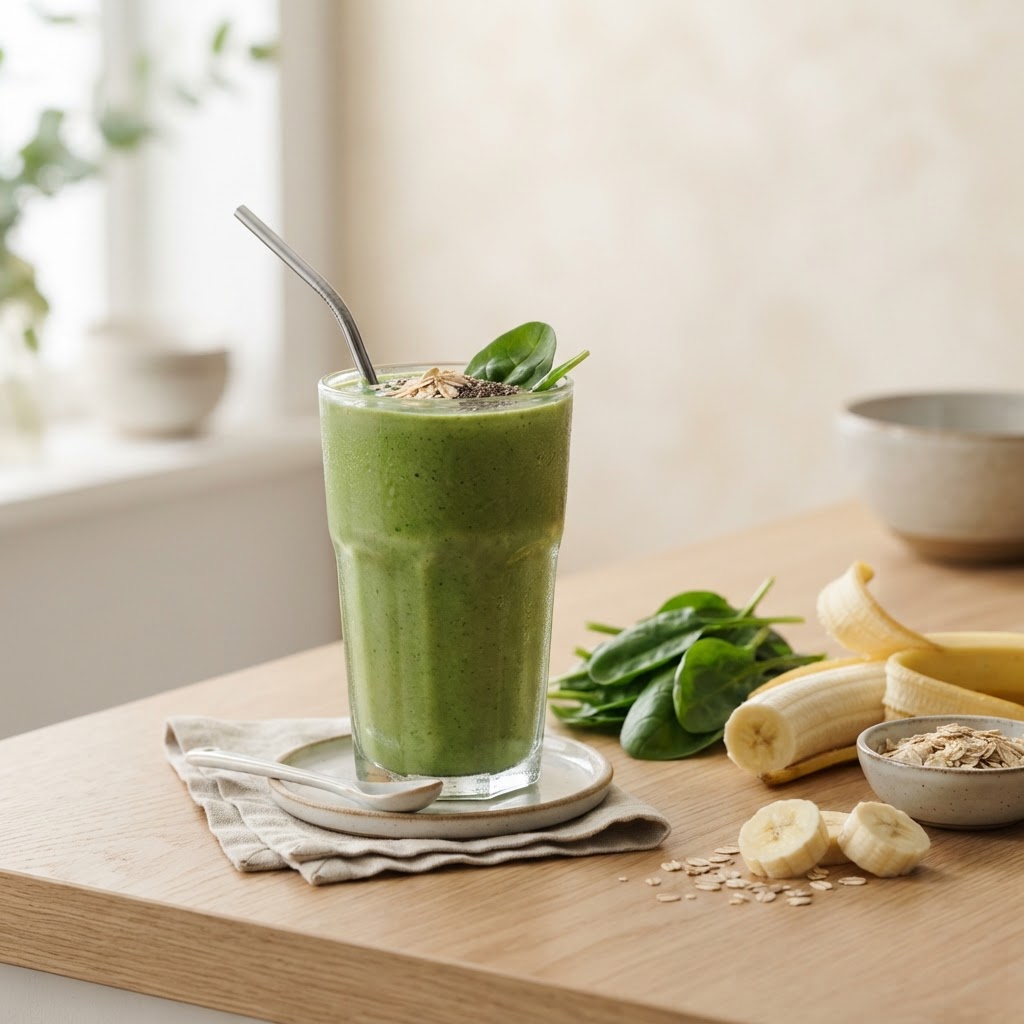
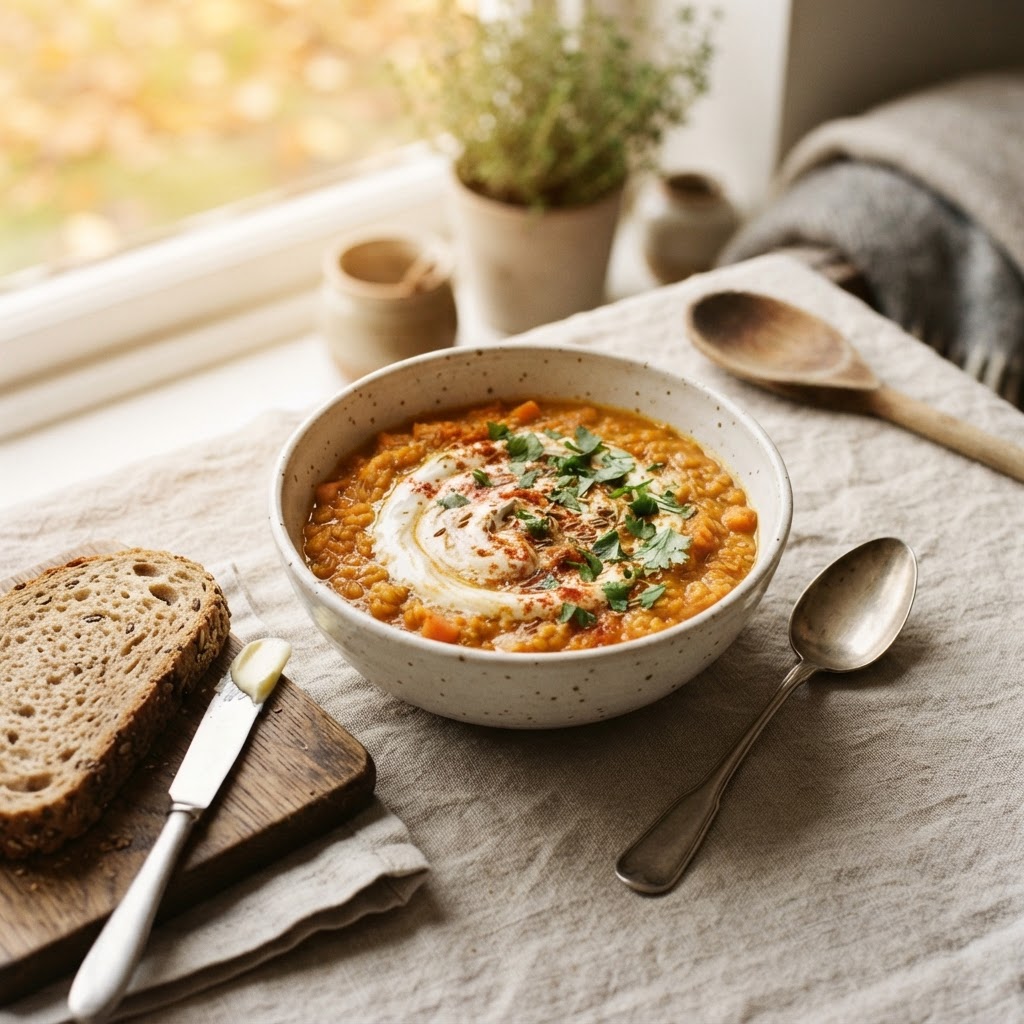
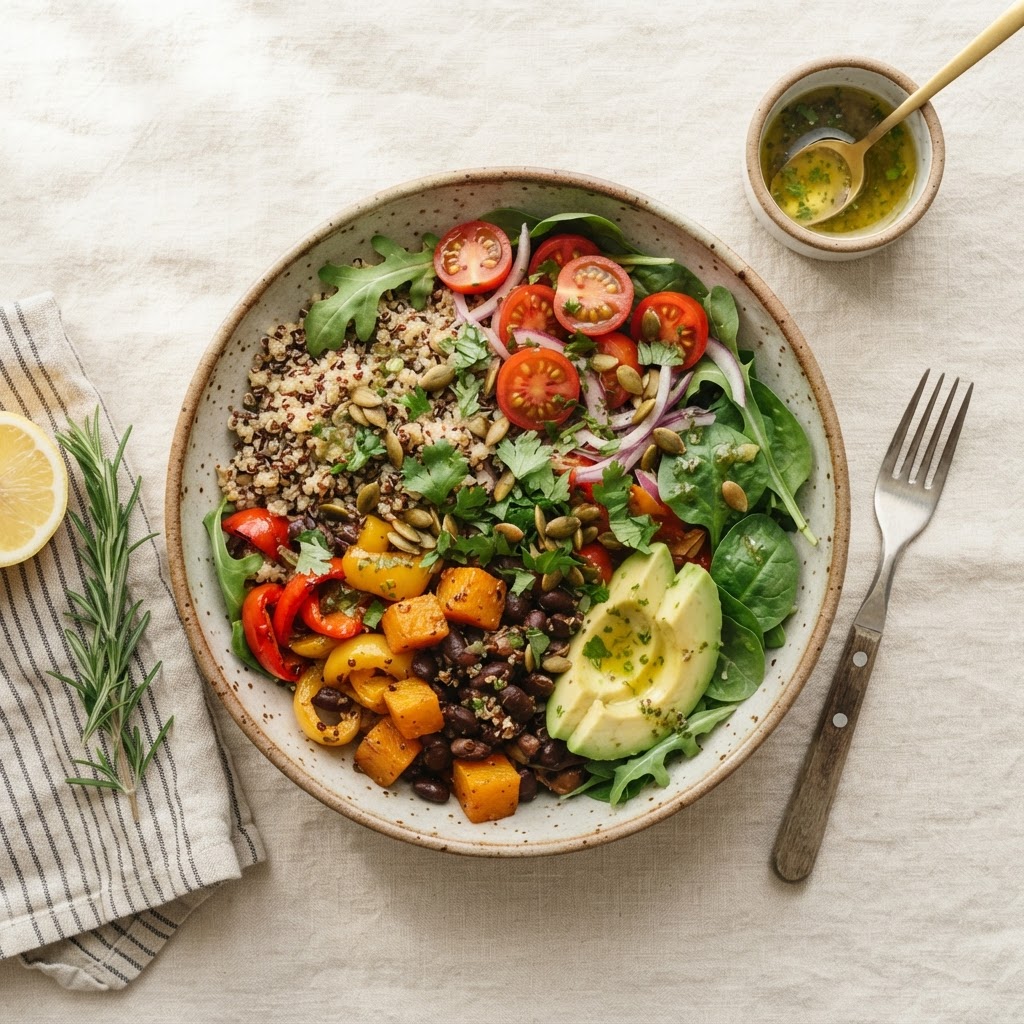
Fertility-friendly recipes
Fertility nutrition FAQs
Can diet improve my chances of getting pregnant?
+
A varied, balanced diet supports overall and reproductive health, but no diet guarantees pregnancy. This calculator looks at food variety only and does not predict conception, egg or sperm quality, or IVF success.
How much folic acid should I take when trying to conceive?
+
The NHS recommends 400 micrograms of folic acid daily while trying to conceive and until 12 weeks of pregnancy. Some people — for example those with diabetes, a BMI of 30 or more, or taking epilepsy medication — may need a 5mg prescription dose, so speak to your GP.
How much caffeine is safe when trying for a baby?
+
In pregnancy the NHS advises less than 200mg of caffeine a day, about two mugs of instant coffee. Many people start cutting down while trying to conceive.
Should I stop drinking alcohol during IVF?
+
The NHS advises that the safest approach when trying to get pregnant or pregnant is not to drink alcohol. For partners providing sperm, keep within 14 units a week or less.
What foods are linked with healthy sperm?
+
A varied diet with fruit, vegetables, wholegrains, nuts, seeds and oily fish provides antioxidants, zinc, selenium and omega-3 fats. Limiting processed meat and alcohol is also sensible.
Which fish should I avoid when trying to conceive?
+
Avoid shark, swordfish and marlin because of mercury, limit tuna, and have no more than two portions of oily fish a week.
Should I take high-dose fertility supplements?
+
Avoid high-dose supplements and vitamin A (retinol) unless prescribed. Always tell your fertility team about any supplements you take.
Is my nutrition data private?
+
Yes. Results are only saved to your Fertility Hub if you give consent, are never shared with clinics, advertisers or analytics, and can be deleted at any time.
Sources & medical review
- UCLA Health — Foods that may support fertility
- NICE NG257 — Fertility problems: assessment and treatment
- NICE PH11 — Maternal and child nutrition
- NHS — Trying to get pregnant
- NHS — Vitamins, supplements and nutrition in pregnancy
- NHS — Foods to avoid in pregnancy
Guidance in this tool is checked against current UK NHS and NICE preconception guidance. Advice may differ in other countries — follow your local health service. Last reviewed: October 2026.
This calculator is for education only and does not replace advice from your GP, fertility specialist or a registered dietitian. Never change prescribed medication based on diet.