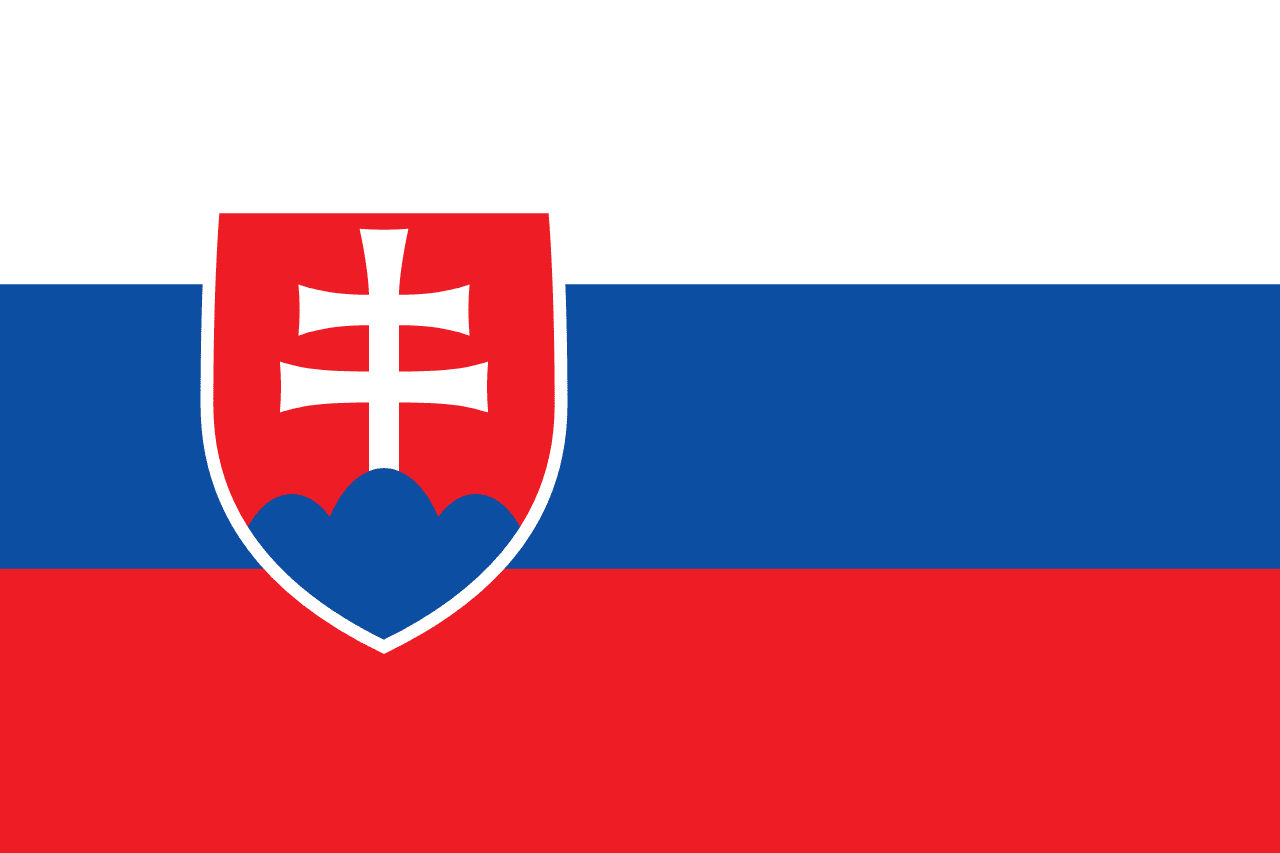
Egg Freezing in Slovakia: Costs, Laws and Everything You Need to Know
Slovakia is becoming an increasingly popular destination for fertility preservation and IVF treatment in Europe. Known for its high-quality fertility care, experienced specialists and more affordable treatment costs, Slovakia is attracting both local and international patients looking to preserve their future fertility through egg freezing.
For many women, egg freezing offers reassurance, flexibility and the opportunity to keep future family-building options open — whether for medical, personal or career-related reasons.
Why are women choosing egg freezing in Slovakia?
There are many reasons why women may decide to freeze their eggs, including:
- Wanting to delay parenthood until later in life
- Focusing on career, education or travel
- Not yet finding the right partner
- Medical conditions such as endometriosis
- Preparing for cancer treatment that may impact fertility
- Preserving younger, healthier eggs for future IVF treatment
As awareness around fertility health grows across Europe, more women are exploring fertility preservation earlier and proactively.
What is egg freezing?
Egg freezing, also known as oocyte cryopreservation, is a fertility preservation treatment where a woman's eggs are collected, frozen and safely stored for future use.
The process involves:
- Fertility testing and consultation
- Hormone medication to stimulate the ovaries
- Monitoring scans and blood tests
- under sedation
- Freezing the mature eggs using vitrification technology
When the woman is ready to try for pregnancy in the future, the eggs can be thawed, fertilised through IVF and transferred as embryos.
Modern vitrification methods used by many European fertility clinics have significantly improved egg survival rates after thawing.
Is Slovakia a good country for egg freezing?
Slovakia has become well known for offering:
- Lower fertility treatment costs compared to the UK, USA and parts of Western Europe
- Experienced IVF specialists
- Modern fertility laboratories
- Short waiting times
- English-speaking international patient teams at many clinics
- Access to advanced reproductive technologies
Many fertility centres in Slovakia also follow recognised European reproductive medicine standards and protocols.
How much does egg freezing cost in Slovakia?
One of the biggest reasons patients travel to Slovakia for fertility preservation is affordability.
Average egg freezing costs in Slovakia may include:
- Egg freezing cycle: approximately $1,600–$2,000 USD
- Medication costs: approximately $800–$1,200 USD
- Annual storage fees: approximately $130–$170 USD
Costs can vary depending on medication requirements, treatment plans and whether multiple stimulation cycles are needed.
Compared to countries such as the UK or the United States, Slovakia can offer substantial savings while still maintaining high medical standards.
What are the egg freezing laws in Slovakia?
Slovakia has specific fertility laws and regulations that patients should understand before treatment.
Egg freezing is permitted
Social egg freezing is permitted in Slovakia, and there is currently no clearly defined legal storage time limit for frozen eggs.
IVF access restrictions
However, Slovak fertility law currently restricts access to IVF treatment to heterosexual couples.
This means:
- Single women are generally unable to undergo IVF treatment
- Same-sex female couples are unable to access IVF treatment within Slovakia
- A male partner is required for treatment
Because of this, some women may choose to freeze their eggs in Slovakia now and pursue IVF treatment elsewhere in the future if circumstances change.
What age is best for egg freezing?
Fertility specialists generally recommend considering egg freezing before the age of 35 for the highest chance of future success.
Egg quality and egg quantity naturally decline with age, particularly after 35, which can affect future pregnancy outcomes.
That said, every fertility journey is unique, and ovarian reserve testing can help provide more personalised guidance.
Can international patients freeze eggs in Slovakia?
Yes — many fertility clinics in Slovakia welcome international patients.
Some clinics may charge additional fees for foreign-language coordination or international patient services.
Many patients combine treatment with short stays in cities such as Bratislava while completing monitoring and .
Emotional wellbeing during egg freezing
Choosing to freeze your eggs can bring a mixture of emotions — empowerment, relief, uncertainty and hope.
For many women, egg freezing provides peace of mind and the feeling of creating more options for the future. For others, it can also highlight anxieties around timelines, relationships or fertility expectations.
Having access to trusted fertility professionals, counselling support and understanding communities can make a huge difference throughout the process.
Final thoughts
Slovakia is emerging as an affordable and accessible European destination for egg freezing and fertility preservation, offering modern fertility care and experienced IVF support at significantly lower costs than many Western countries.
However, understanding the country's fertility laws and eligibility requirements is incredibly important before starting treatment.
If you are considering egg freezing in Slovakia, taking time to research your options, understand the legal framework and speak with trusted fertility experts can help you make informed decisions about your future fertility journey.
If you have any questions about egg freezing, IVF abroad or fertility preservation, we're here to support and guide you — our team and leading global experts are here to help. You're not alone.
More support for this stage
Whatever you decide next, you don't have to navigate it alone. Here are some places to turn.
We're here to help
Continue exploring on IVFbabble
You don't have to navigate this alone — here are gentle ways to get more guidance, support and answers.
Rate this article
See what others think and leave your own feedback.
Sign in to leave a rating.
Comments
0 comments
No comments yet.
More Articles
Your privacy choices
We use essential cookies to run Babble Connect. With your permission, we'd also like to set analytics and personalisation cookies to improve your experience. Non-essential cookies stay off until you choose "Accept all".